
A Vaccine Death Was Just Compensated—The First of Its Kind. What This Means for SIDS, Safety, and the Science No One Wants to Discuss.
A controversial, emotional, and long-avoided conversation comes to center stage.

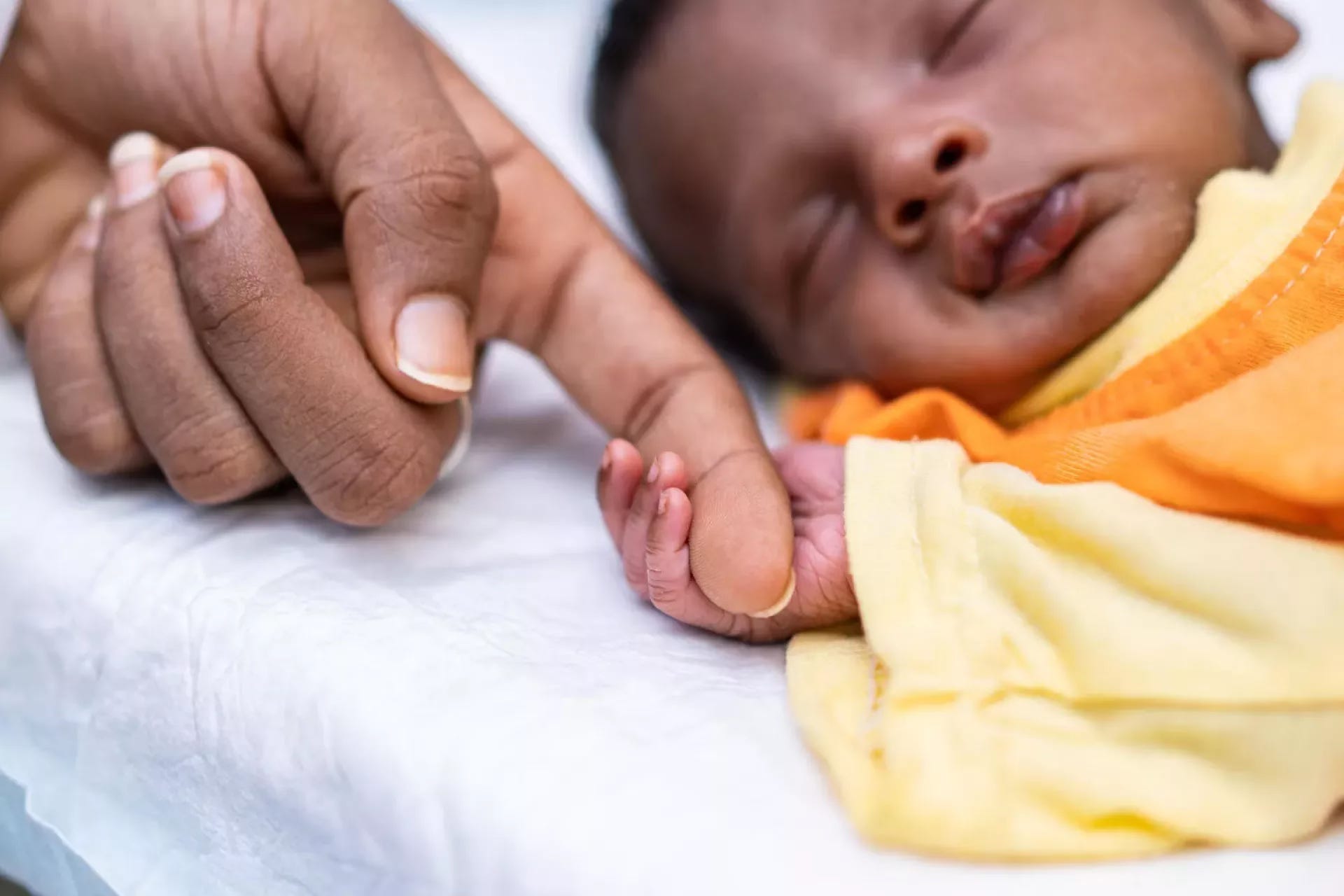
This case is incredibly emotionally charged — for parents, for clinicians, and for anyone who has lived through the fear, confusion, or loss surrounding infant health. There’s only so much I can say in a public post, but there is much more I want to unpack, including details, questions, and implications that aren’t appropriate to fully explore here. I’ll be sharing my deeper thoughts, analysis, and the conversations we need to have — privately — in the subscriber-only section. If you want to read the deeper dive, please consider subscribing.
A Landmark Case, an 11-Week-Old Baby, and a Conversation Our Society Still Can’t Handle
Some topics in pediatrics are controversial. Some are emotionally charged. And then there are the topics that feel almost radioactive—where good people whisper instead of speak, and where nuance gets buried under fear and ideology.
This story is one of those.
Last week, something unprecedented happened:
For the first time in over a decade, the U.S. Vaccine Injury Compensation Program (VICP) acknowledged and compensated a SIDS-like infant death as caused by vaccination.
This is not opinion.
This is a legal ruling.
This is now part of the public record.
The case involves 11-week-old Anna Sims, who died in 2013, just hours after her routine Pediarix, Hib, PCV13, and RotaTeq vaccines. Her parents fought for nearly 12 years. And finally—after expert testimony, appeals, and attempts by HHS to overturn the decision—the court sided with the family.
The official ruling:
Anna died from vaccine-induced encephalopathy.
Not SIDS.
Not “undetermined.”
Not “unexplained.”
A vaccine-triggered brain injury.
This matters—for many reasons.
What Is SIDS, Really?
Sudden Infant Death Syndrome (SIDS) is a diagnosis of exclusion.
It means:
“We don’t know what happened.”
It’s a label, not a mechanism.
SIDS typically involves:
Infants under 1
Death during sleep
No clear cause after investigation
Most SIDS deaths cluster between 1–4 months, right between the 2- and 4-month vaccine visits.
Historically, families who lost a child hours after vaccination were told:
“This is just SIDS. It’s tragic, but unrelated.”
They were then excluded from VICP compensation, because SIDS is not on the Vaccine Injury Table.
But here’s the uncomfortable truth:
SIDS doesn’t rule out brain inflammation or brain swelling.
Those findings require specific autopsy techniques—many of which are not always routinely done.
Which brings us back to Anna.
Why This Case Is Different
Anna’s autopsy showed:
Brain swelling (edema)
Pressure changes
A pattern consistent with acute encephalopathy
Multiple experts—including neuropathologists and immunologists—testified that her death was caused by vaccine-triggered immune activation leading to cerebral edema.
The government’s own expert conceded that the autopsy was not thorough enough to rule out encephalopathy.
And for the first time, the Special Master agreed:
“The evidence demonstrates acute encephalopathy was vaccine-induced.”
This makes Anna’s case the first openly acknowledged, compensated, infant vaccine-induced encephalopathy death in over a decade.
And here’s where this becomes even more significant.
If Vaccine-Induced Encephalopathy Can Kill… What About Milder Forms?
This ruling forces a logical question—one that has major implications:
If vaccines can, in rare cases, trigger a brain injury severe enough to cause death within hours…
…can they also trigger encephalopathy that doesn’t kill?
…can they trigger a milder, non-fatal, chronic form?
…could this biological pathway overlap with certain developmental or neurological conditions?
For decades, parents of autistic children have been dismissed for even asking this.
But if we now accept that:
A vaccine can cause acute encephalopathy leading to death of a newborn.
Encephalopathy can present with subtle early signs (sleepiness, spacing out).
And this can happen within hours…
…then we must logically ask whether a similar mechanism could present more mildly in other cases—producing long-term neurodevelopmental outcomes instead of immediate death.
That’s not conspiracy.
That’s basic medical reasoning.
This ruling doesn’t prove those conditions are connected.
But it re-opens the scientific door that many insisted was sealed forever.
And that is exactly why this case has enormous implications.
Why This Case Feels Like Pandora’s Box
For years:
SIDS death claims were denied.
Encephalopathy claims were denied.
Infant vaccine injury was considered nearly impossible.
Now, we have:
A confirmed, compensated case of infant death by vaccine-induced encephalopathy.
A legal admission that the mechanism is real.
A model future families can now use for vaccine lawsuits.
If encephalopathy can happen in an 11-week-old…
How many past SIDS cases might have involved undetected brain inflammation or swelling?
How many “unexplained” infant deaths had incomplete autopsies?
How many mild encephalopathic reactions were labeled “normal fussiness”?
And how many parents—right now—are walking around thinking they are alone in their experience?
This is why transparency matters.
This is why open debate matters.
This is why science must never be declared “settled.”
This Is Not About Fear—It’s About Honesty
Vaccines save lives.
They also carry risks.
Both statements can be true.
It is possible to:
acknowledge tragedies
support vaccination
advocate for safer products
ask for honest research
honor families who have suffered
protect free scientific inquiry
Without shaming, silencing, or dividing parents.
Anna’s case should not be weaponized.
It should be understood.
Because the truth—however uncomfortable—is the foundation of real public health.
Where We Go From Here
This ruling should prompt:
Better autopsy standards
Better early recognition of encephalopathy
Better informed consent
Serious research into immune-triggered brain inflammation in infancy
Honest discussion about SIDS and potential contributing mechanisms
Compassion for families—not judgment
This case does not “prove” every controversial claim.
But it does prove that families deserve to be heard, not dismissed.
And it proves that the conversation is far from over.
If anything, it has just begun.
This case is deeply emotional for parents and clinicians alike. There’s only so much I can say publicly, but there’s a lot more I want to break down — details and implications better handled privately. I’ll share my full thoughts in the subscriber-only section below. If you’d like the deeper dive, please consider subscribing.
Keep reading with a 7-day free trial
Subscribe to Dr. Gator - Between a Shot and Hard Place to keep reading this post and get 7 days of free access to the full post archives.